

اخبار صنایع
 خانه / خبر / اخبار صنایع / How to Buy a Living Room Carpet in Bulk: A Simple Guide for Hotels, Retailers and Designers
 2026.11.13
 اخبار صنایع
For a business buyer, a living room carpet is not just a decorative item. It affects guest comfort in a hotel suite, sell-through rates in a retail store, and how a model home photographs for a property developer. Choosing the wrong product leads to returns, complaints and costly replacements. This guide walks through the practical points that matter when you source living room carpets in volume.
Different B2B buyers look for different things in a living room carpet, so start by defining your use case before you request quotes.
Material decides price, lifespan and maintenance cost. A living room is a medium-to-high traffic area, so the fiber must handle daily foot traffic, furniture weight and occasional spills. The table below compares the most common options.
| Material | Durability | Stain Resistance | Cost Level | Best For |
| Wool | Very high | Medium | High | Boutique hotels, premium projects |
| Nylon | Very high | High | Medium-high | High-traffic commercial lounges |
| Polypropylene | High | Very high | Low-medium | Retail, rentals, budget projects |
| Polyester | Medium | High | Low | Soft, colorful living room rugs for e-commerce |
| Viscose blends | Low-medium | Low | Medium | Low-traffic, decorative areas |
Synthetic fibers are easier to print, dye and clean, and their prices are more stable than wool. For retailers who need a large living room area carpet at an attractive price point, these fibers deliver the best balance between margin and customer satisfaction.
Wool recovers well from compression, resists dirt and feels premium. For upscale hotel suites or show homes where the living room carpet is a visible selling point, the longer lifespan often offsets the higher purchase price.
Size is one of the biggest causes of returns and rework. A carpet that is too small makes the seating area look disconnected, while an oversized one rides up the wall or blocks doors. As a rule of thumb, the front legs of the sofa and armchairs should sit on the carpet, which usually means a minimum of 8 x 10 feet for an average living room.
For project orders, ask your supplier to confirm tolerance. A deviation of 1 to 2 percent is normal, but you should state the acceptable range in the purchase contract.
Two living room carpets can look identical in a photo yet perform very differently after a year of use. Always request the technical sheet and compare these points.
Low pile (under about 10 mm) is easier to vacuum and works well under furniture and for rolling chairs. Medium pile (about 10 to 20 mm) balances comfort and cleaning. High pile above 20 mm feels luxurious, but it traps dirt and flattens faster in busy areas.
Higher density means more fiber packed into each square meter, which gives better resilience and less shedding. Ask for face weight in grams per square meter and compare it across suppliers, not just the price per piece.
Latex, cotton or felt backings each behave differently. A good non-slip backing prevents accidents on hard floors, which matters for liability in hotels and rental properties.
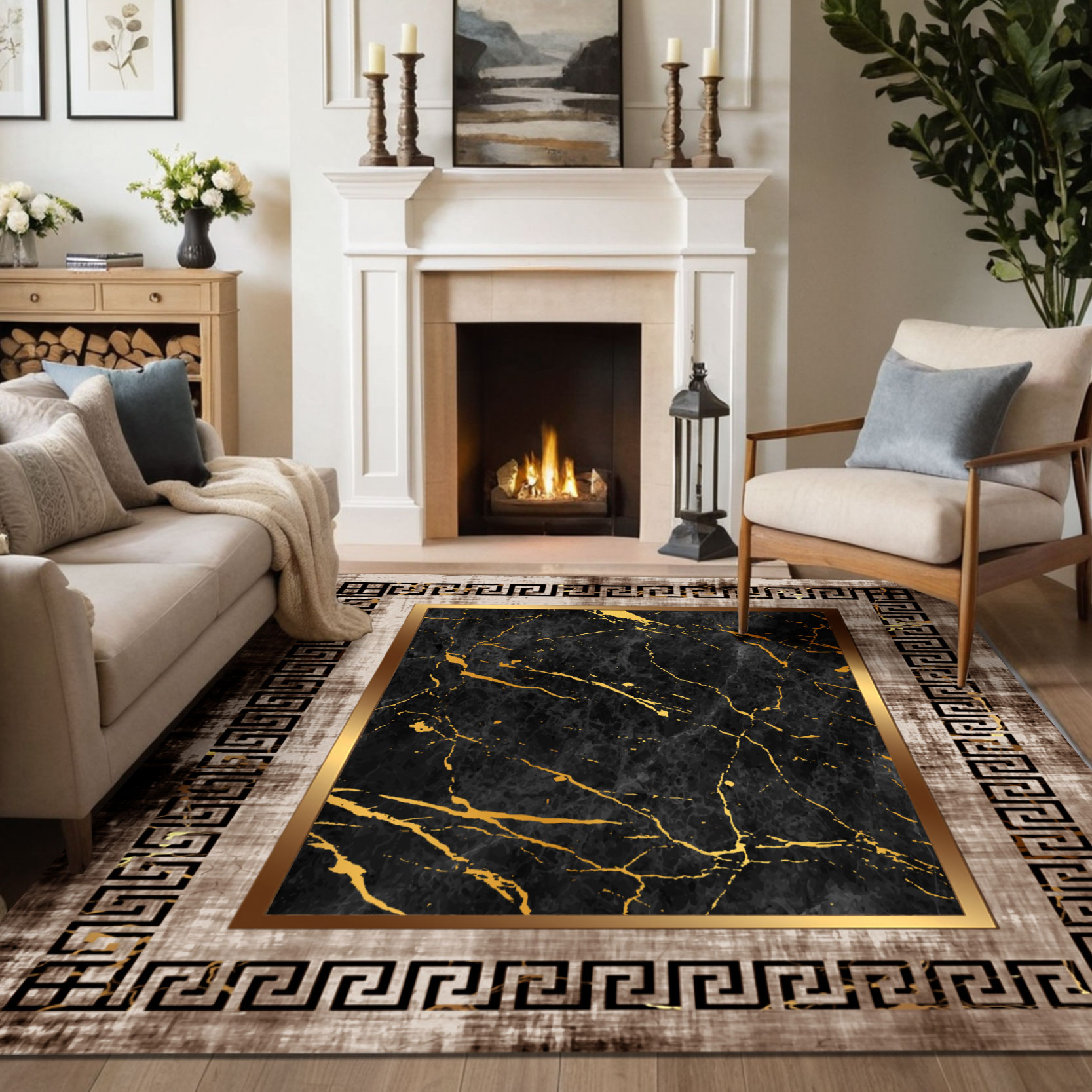
Compliance is where many first-time importers get caught. Requirements for living room carpets vary by country and project type, so confirm what applies to your market before placing an order.
Always ask for the report number and test date, and check that the report covers the exact product, not a similar one.
Custom living room carpets are popular with hotels, designers and brand owners who want a unique pattern or logo. Typical customization options include color matching, hand-tufted or machine-made patterns, special shapes and private-label packaging.
Minimum order quantity depends on the production method. Printed and machine-woven carpets generally allow smaller runs, while hand-tufted and hand-knotted designs take longer and often need higher volumes or higher unit prices. Sampling usually takes one to two weeks, and mass production can take several weeks depending on quantity and design complexity, so build this into your project timeline.
Screen colors rarely match the finished carpet. Approve a physical sample, keep a signed reference piece, and write the color tolerance into the contract. This one step prevents most disputes.
The quoted price is only part of your landed cost. When comparing suppliers, break the price down so you are comparing like with like.
A very low quote often hides lighter weight, lower density or thinner backing. Ask for gram weight and fiber content in writing so you can verify quality on arrival.
A reliable supplier matters as much as the product. Before committing to a large order, run through this checklist.
Carpets are bulky and heavy, so packaging directly affects freight cost and arrival condition. Rolled and vacuum-compressed packing saves container space, while rigid cartons suit e-commerce shipments. Moisture is a major risk on sea freight, so ask for waterproof wrapping and desiccants for long routes.
On arrival, unroll each living room carpet and let it rest flat for 24 to 48 hours so creases relax. For hard floors, use a quality rug pad to prevent slipping and extend the carpet's life. For projects, inspect a sample of each batch for color, size and defects before the delivery is signed off.
The best living room carpet for a business is the one that fits the use case, passes the required safety checks and arrives exactly as approved. Define your application, match the material and size to it, verify the certifications, and test a physical sample before scaling up. With these steps in place, you reduce risk, protect your margins and build a long-term supply relationship that keeps your customers coming back.

اضافه کردن: شماره 75 جاده ژنیوان ، منطقه یوچنگ ، شهر شائوکسینگ ، استان ژجیانگ ، چین 312000

Tel : +86-189 6750 9795

FAX : +86-0575-8803 2773

Email :

Copyright © شرکت فناوری نساجی ژجیانگ بنی ، آموزشی ویبولیتین All Rights Reserved. تولید کنندگان فرش و فرش